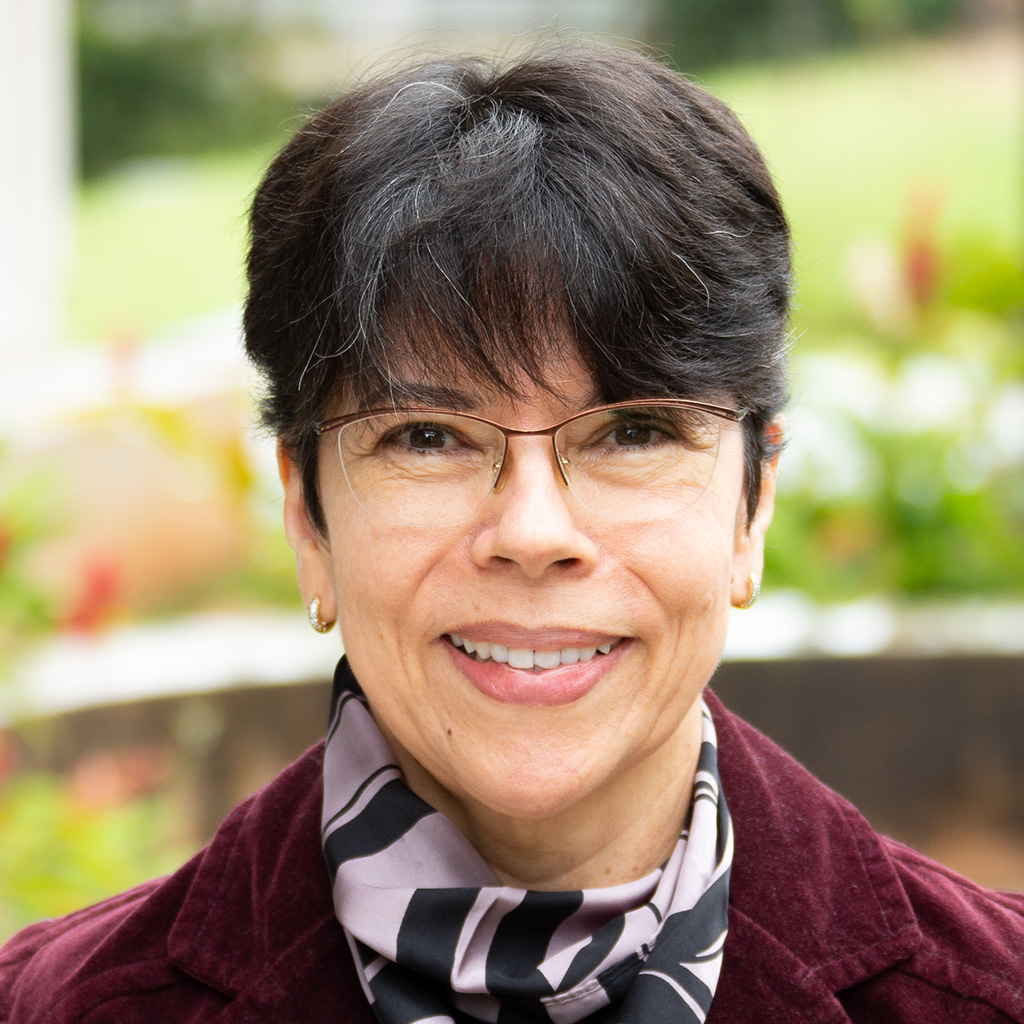
“Research today must move toward actionable science that supports evidence-based interventions”
Mercedes Bustamante, Professor at the University of Brasilia, Brazil, specializing in ecology and environmental science.
The Volvo Environment Prize event 2023 starts soon.
News, May 28 2026
In 2025 and 2026, the Volvo Environment Prize proudly welcomed four visionary minds to its Prize Jury: Mercedes Bustamante (Brazil), Deliang Chen (China), Belinda Reyers (South Africa), and Norichika Kanie (Japan).
Discover their perspectives on the award’s legacy and their hopes for the future of sustainability research.
For a previous Q & A with the other member of the Prize Jury, Johan Rockström, read here.
“Research today must move toward actionable science that supports evidence-based interventions”
Mercedes Bustamante, Professor at the University of Brasilia, Brazil, specializing in ecology and environmental science.
Q: You have been selected as a new member of the Prize Jury. What does the Volvo Environment Prize mean to you?
A: As a researcher in the field of Ecology and the Environment, it is very meaningful to have an award like the Volvo Environment Prize, which not only recognizes researchers’ contributions but also informs students, young researchers, institutions, and decision-makers about the current lines of research and new frontiers in the generation of environmental knowledge.
Q: The award celebrated its 36th Anniversary last year. Do you think it has had any impact on drawing attention to global sustainability issues?
A: Yes, the list of awardees spanning nearly four decades demonstrates how the award captures the major issues in the environmental field and how they have evolved over time. In this regard, the Award has brought attention to work across various fields of knowledge, highlighting the interdisciplinary approach necessary for sustainability as well as the importance of the different ecosystems around the globe.
Q:Lastly, from now on, what research in sustainability do you think is most essential to develop?
A: There is no doubt that sustainability issues are at the heart of the major challenges we are facing and will face in the coming decades. Research today must move toward actionable science that supports evidence-based interventions while also addressing the needs of diverse social groups.
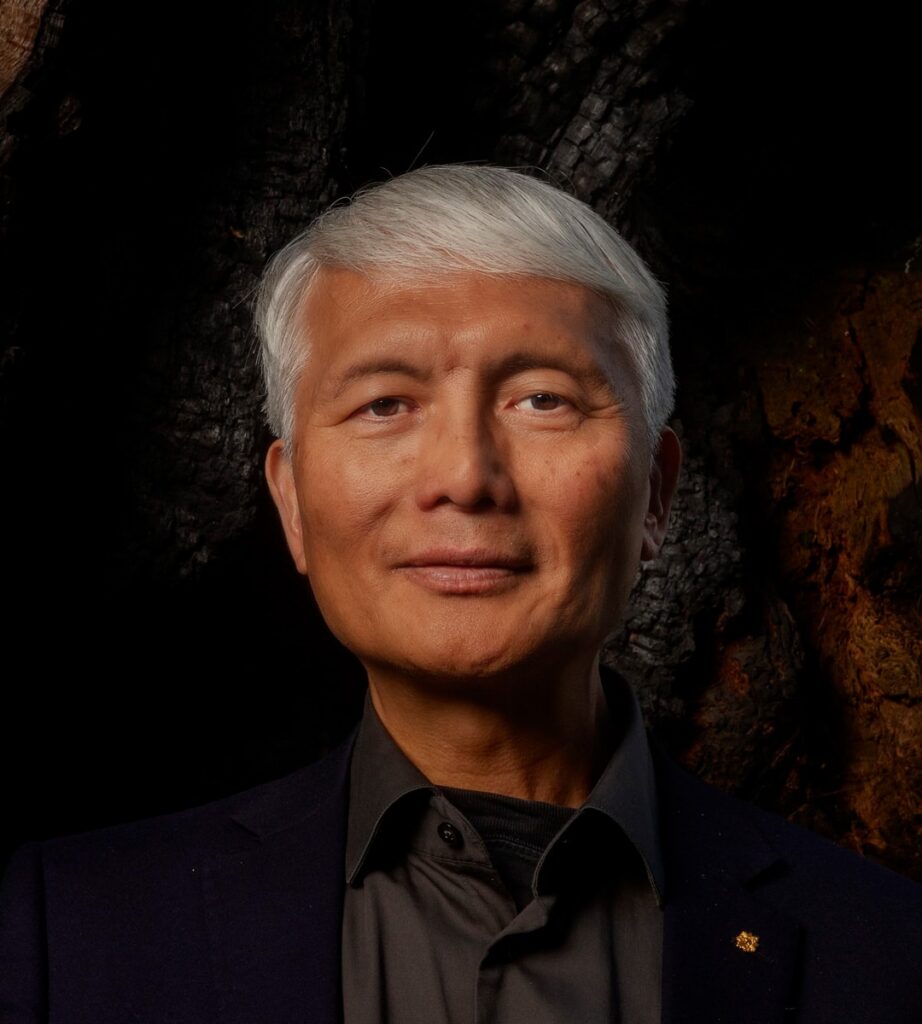
“The award has truly advanced science-based decision-making”
Deliang Chen, climate researcher and Professor at the Department of Earth System Science at Tsinghua University, Beijing, China.
Q: You have been selected as a new member of the Prize Jury. What does the Volvo Environment Prize mean to you?
A: The award has not only recognized champions in sustainability, but also scientists with a huge influence on policy-making. In this way, the award has truly advanced science-based decision-making.
Q: The award celebrated its 36th Anniversary last year. Do you think it has had any impact on drawing attention to global sustainability issues?
A: Absolutely! And I don´t think it’s a coincidence that the Volvo Environment Prize was initiated in Sweden. Swedish scientists and institutions have been instrumental in advancing sustainability efforts and have a strong reputation worldwide. It has been an inspiration for many of us in other parts of the world. The award is a part of those pioneering efforts.
Q: Lastly, from now on, what research in sustainability do you think is most essential to develop?
A: To think beyond 2030. I would say we should focus on 2050. What kind of targets and goals should we have then? We will soon be there! It is more urgent than ever to translate scientific knowledge into action across areas such as climate action, biodiversity, and others.
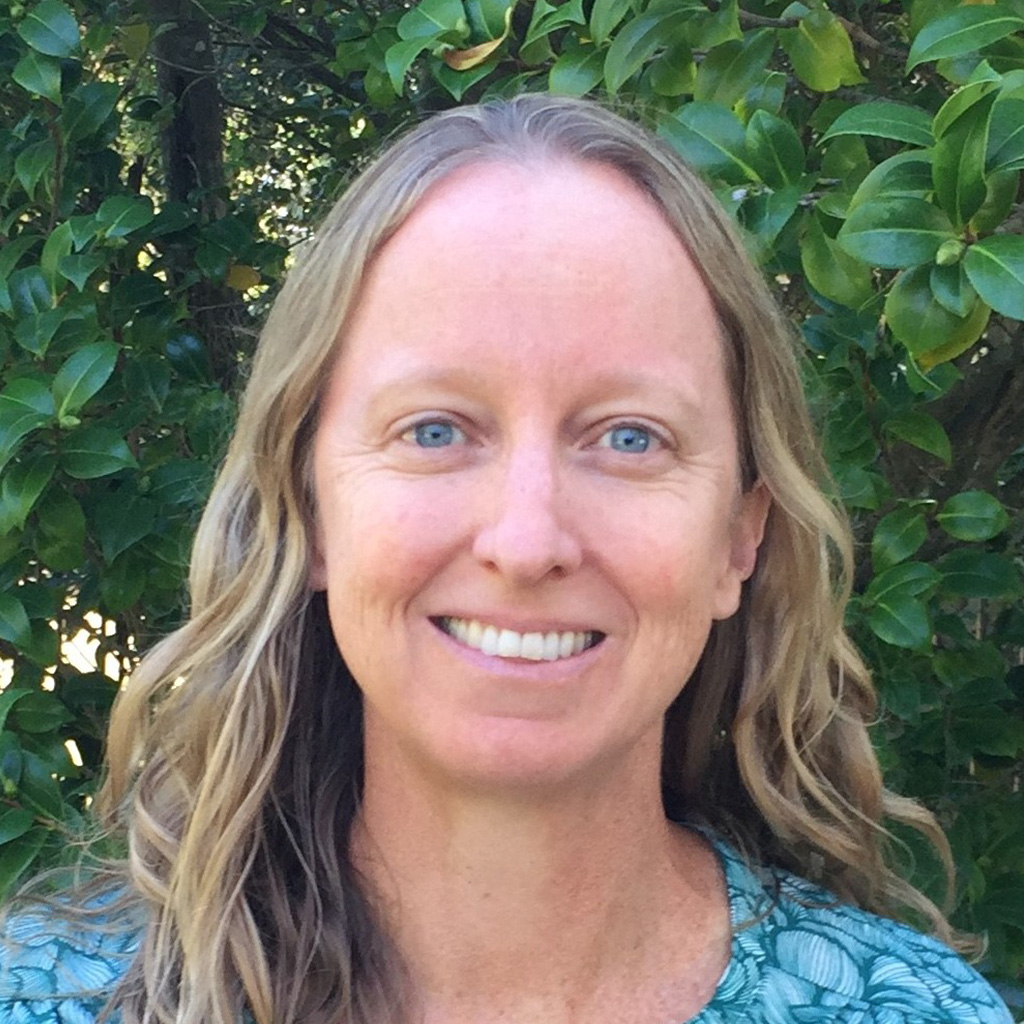
“I think the future challenge for our science is less about the pieces of the puzzle, and more about how we bring together all those pieces”
Belinda Reyers, Professor of Sustainability Science at the University of Pretoria in South Africa.
Q: You have been selected as a new member of the Prize Jury. What does the Volvo Environment Prize mean to you?
A: I would say it is one of the highest international accolades and forms of recognition for a researcher working in the environmental sciences. I am very honored to join the jury and become a part of such an important and innovative award.
Q: The award celebrated its 36th Anniversary last year. Do you think it has had any impact on drawing attention to global sustainability issues?
A: I think the award has not only lifted up the profile of environmental and sustainability sciences and the important challenges they seek to understand, but it has also raised the profile of many extraordinary scientists from around the world who are working in novel and uniquely transdisciplinary ways – ways that often would not be recognized by more traditional disciplinary awards and prizes.
Q: Lastly, from now on, what research in sustainability do you think is most essential to develop?
A: As scientists, we all bring deep and rich knowledge to the task of navigating the challenges of sustainability. But each of us brings only a small piece of the puzzle – whether it’s a topic, a method, a framework, a place, or a problem. So I think the future challenge for our science is less about the pieces of the puzzle and more about how we bring together all those pieces from different disciplines, geographies, knowledge systems, and experiences. The combination of advancing science and real-world impact is, I think, a hallmark of the Volvo laureates and their pioneering, impactful, and world-leading research.
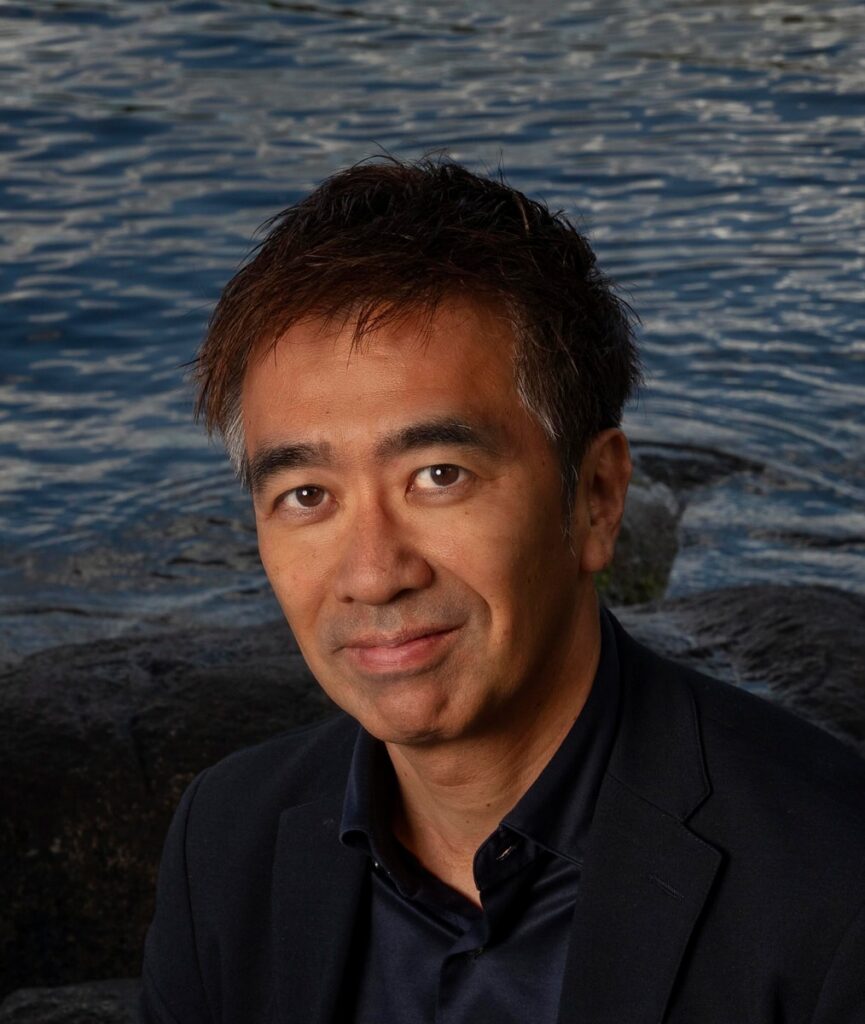
“We also face backlash over environmental and climate issues”
Norichika Kanie, Professor at the Graduate School of Media and Governance, and Co-Director of Keio STAR – the sustainability center for the university, at Keio University, Japan.
Q: You have been selected as a new member of the Prize Jury. What does the Volvo Environment Prize mean to you?
A: It’s a very famous award, well known all over the world. I am honored to be part of it and look forward to learning more about outstanding science in the areas of environment and sustainability.
Q: The award celebrated its 36th Anniversary last year. Do you think it has had any impact on drawing attention to global sustainability issues?
A: I believe so, and now it is time to elevate all this important scientific knowledge to implementation. Before, these issues were never prioritized. Now there is growing public interest, including from the private sector, but we also face backlash over environmental and climate issues. I believe this will be gone eventually, and we do need to look for science-based solutions in all areas.
Q:Lastly, from now on, what research in sustainability do you think is most essential to develop?
A: It does not look good for achieving the 1,5 degrees target. Even if we stopped emissions right now – which is not happening – there would still be lasting effects on the planet. So, while we need to mitigate emissions, we also have to be prepared for the changing world! We need more research on adaptation and resilient governance to address multiple problems.