Science-based solutions for the Loess Plateau helped bring green back
Professor Bojie Fu, whose research helped guide the recovery of China’s severely eroded Loess Plateau, has been awarded the 2026 Volvo Environment Prize.
It has been described as a miracle; the once-barren Loess Plateau is now lush and green again. But it was no miracle; it was the result of enormous efforts in one of the world’s most extensive landscape-restoration programs.
The Loess Plateau and the Yellow River basin are considered a cradle of early Chinese civilization. But centuries of intensive cultivation and overgrazing stripped the plateau of vegetation and soil, sending vast quantities of sediment into the Yellow River.
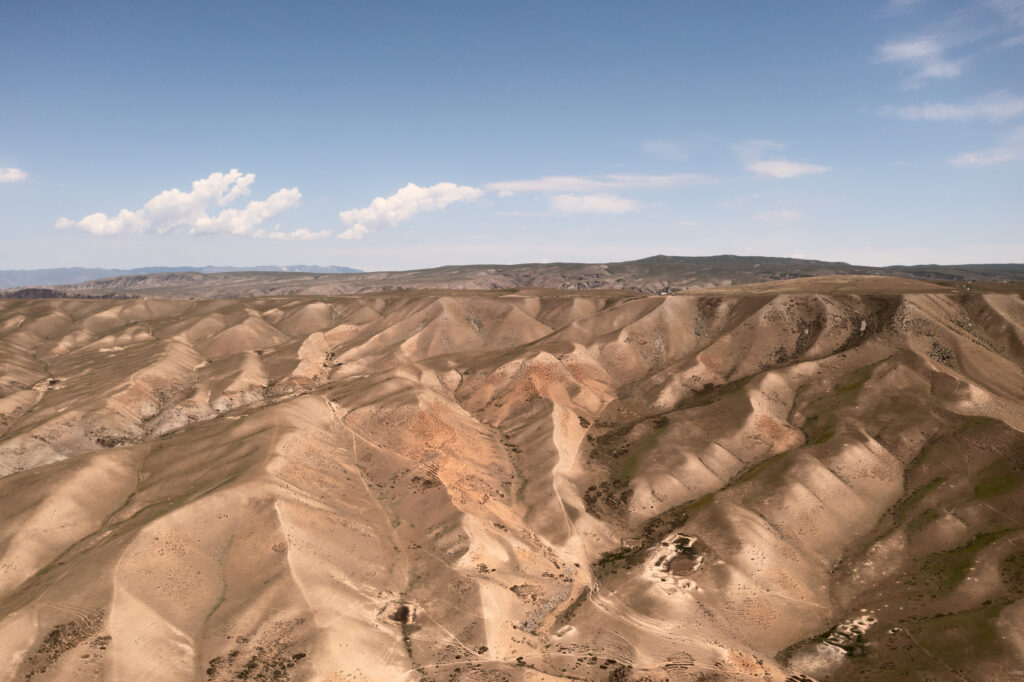 Much of Professor Bojie Fu’s influential research has been carried out on China’s Loess Plateau, a region historically affected by some of the world’s most severe soil erosion.
International support and extensive Chinese programs began to combat the deterioration.
The simple solution would have been to say: plant more. Stop the erosion. Make the landscape green again. But landscapes are more complicated than that.
Bojie Fu is one of the researchers central to understanding how damaged ecosystems can be restored without depleting the limited water and other resources on which both communities and nature depend.
Through field studies and landscape-scale analysis, Fu and his team examined the links between land use, vegetation, water, soil, biodiversity and local livelihoods. Their work showed that restoring vegetation can stabilize soil, capture carbon and support biodiversity, but that unsuitable species or overly dense planting can worsen water scarcity and undermine long-term recovery.
The findings helped move restoration efforts away from large-scale planting campaigns towards land management adapted to local conditions. The researchers also focused on which species to plant, where they could survive, and how to balance restoration with agriculture and community needs.
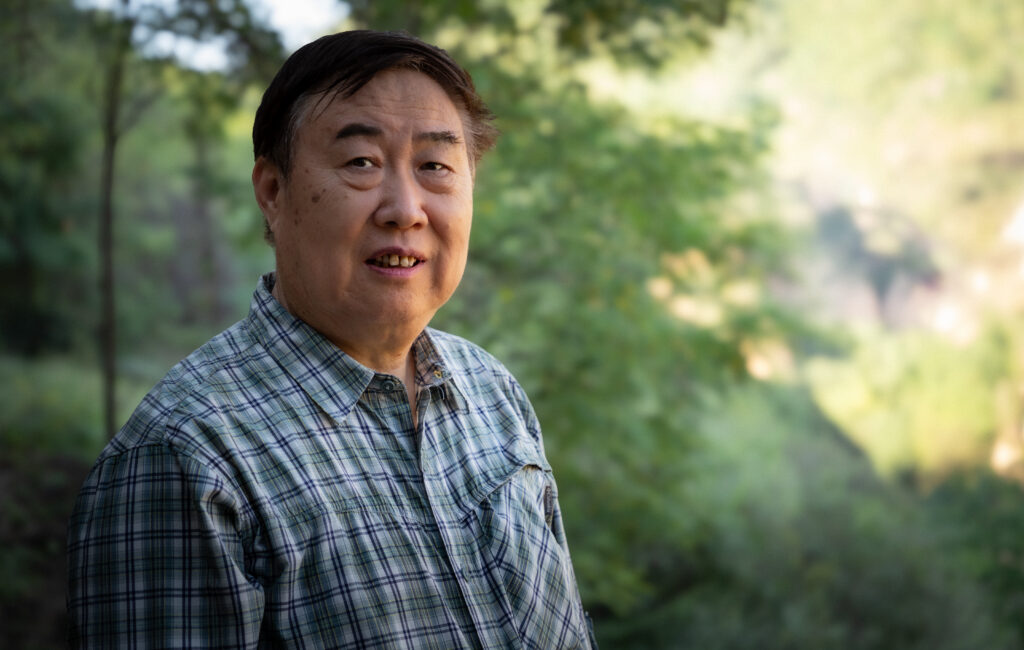 Professor Bojie Fu was awarded the Volvo Environment Prize 2026 for his science-based solutions to restoring degraded landscapes.
Fu is a Professor of Geography and Landscape Ecology at the Research Center for Eco-Environmental Sciences, Chinese Academy of Sciences. He and his research team revealed both the potential and the risks of ecological restoration. More vegetation can hold soil in place, capture carbon, and revive biodiversity—but planting the wrong species, or planting too densely, can deepen water scarcity and threaten the long-term survival of the restored landscape.
One major obstacle to restoration was resistance from farmers who feared for their livelihoods if they could no longer keep livestock or cultivate the land as before. The national project, dubbed Grain for Green, helped overcome this resistance by compensating local communities and farmers. The Loess Plateau is now widely cited as an example for dryland regions facing erosion, water scarcity, poverty, food insecurity, and climate change.
The plateau’s revitalization was neither simple nor swift. It was a complex, long-term undertaking involving local communities, government agencies, researchers, and international partners. Early demonstration projects received World Bank funding, while the Chinese government financed most subsequent investment.
The work also required sustained political and financial support, ongoing scientific monitoring, and changes in approach when evidence showed established methods were not working.
Fu’s research shows how scientific evidence can translate restoration goals into durable environmental gains in heavily degraded landscapes.
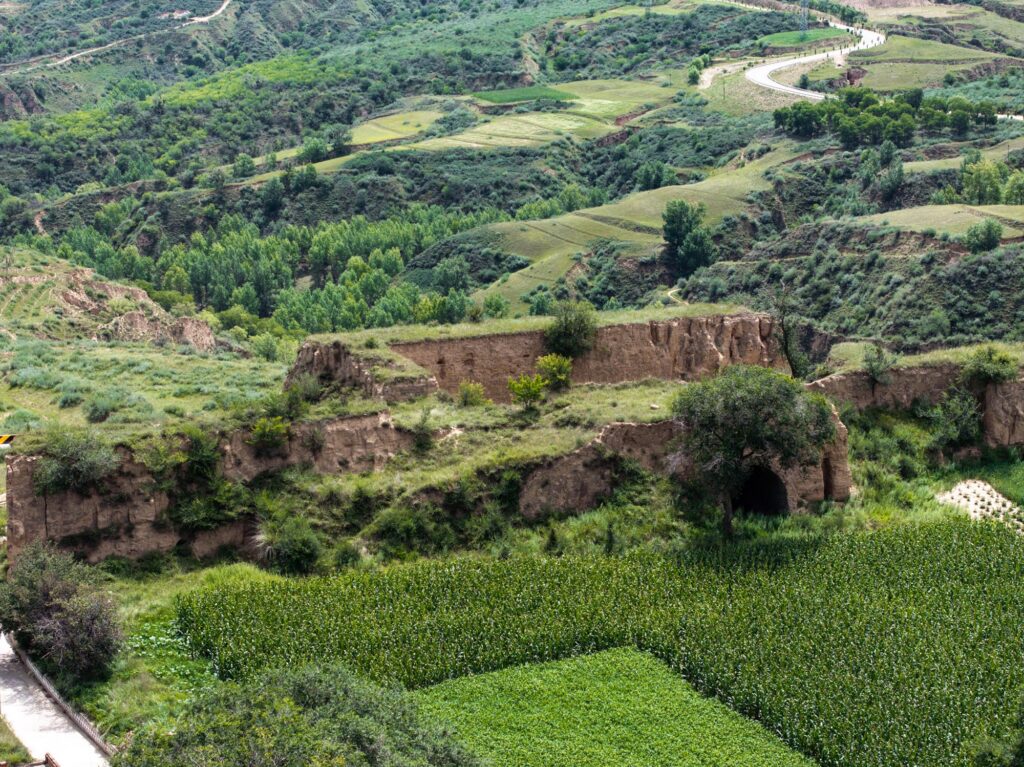 Major greening and restoration efforts on the Loess Plateau began in the 1990s, and ecological management continues today.